
Thousands of children in Gaza continue to suffer from Israeli attacks, hunger, displacement, and deprivation of medical care and education, as the world marks World Children’s Day and the anniversary of the adoption of the 1989 Convention on the Rights of the Child.
As the world marks World Children’s Day on November 20 under the slogan “Listen to Children: My Day, My Rights, My Future,” children in Gaza continue to be deprived of their most fundamental human rights, including the rights to life, food, medical care, security, and education. They are also denied any clear prospect of a secure future.
For Palestinian children, childhood is no longer about playing and enjoying life. Instead, it is shaped by the sound of drones, fighter jets, and explosions, as well as the constant fear of attacks. They spend their nights fearing bombardment and their days searching for water, food, medicine, and safe shelter.
Thousands of Palestinian children in Gaza have been killed by attacks, hunger, and displacement, while others are struggling with physical and psychological injuries and remain deprived of their most basic rights. The plight of children trapped among the rubble and in damaged tents has once again raised questions about the international community’s silence and the responsibility of governments and international organizations to protect them.
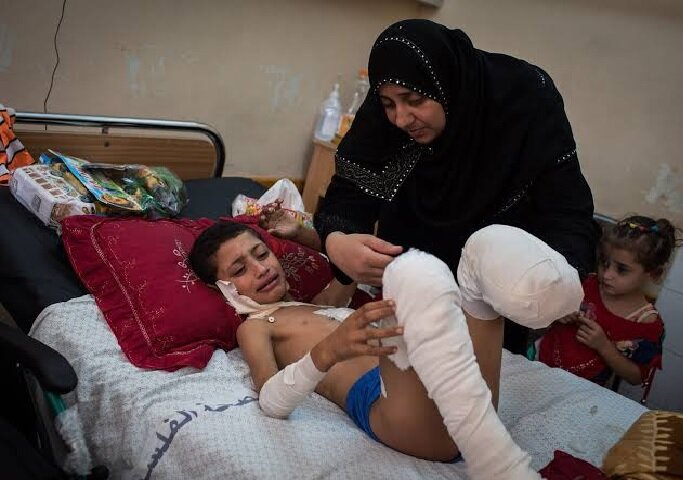
According to the United Nations Children’s Fund (UNICEF) report dated June 30, 2026, at least 21,700 children have been killed and more than 45,000 injured since the Gaza war began in October 2023. Of those injured, at least 11,000 children have suffered severe injuries, amputations, and permanent disabilities that will affect their lives and futures forever.
The suffering of Gaza’s children goes beyond death and injury. At least 800,000 children remain displaced, living in worn-out tents, overcrowded areas, and among the rubble.
In its 2026 report, the United Nations also documented and verified thousands of grave violations against Palestinian children, including killings and injuries, attacks on schools and hospitals, and the denial of humanitarian aid.
Hunger and malnutrition are also posing a serious threat to the health of children in Gaza. According to UNICEF, more than 19,000 children under the age of five were admitted for treatment of acute malnutrition in the first half of 2026, including more than 3,000 suffering from severe malnutrition.
According to a UN report, all schools in Gaza have been closed since the war began, leaving around 637,500 children without access to in-person education. UNICEF has also reported that nearly 90 percent of the children who received consultations needed psychosocial support. In addition to being deprived of education, these children are struggling with constant fear, the loss of loved ones, and the psychological trauma caused by war.
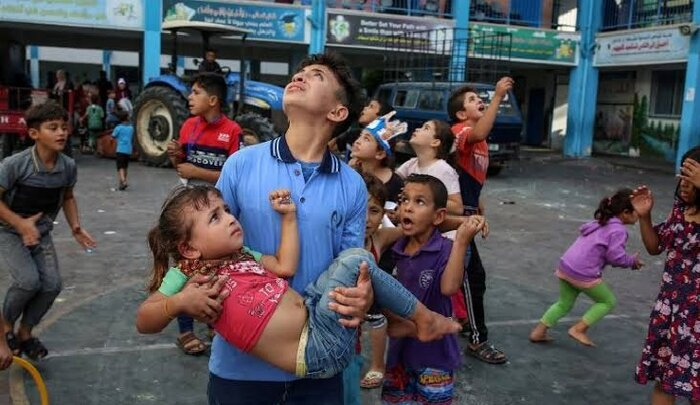
Save the Children Fund has reported nearly 12,500 violations of children’s rights in the occupied Palestinian territories, noting that almost one-quarter of the world’s children live in areas affected by conflict. The organization has called for urgent international attention to the situation of children in Gaza.
UN officials have warned of continued harm to children and worsening conditions for displaced families in Gaza as winter approaches. Meanwhile, more than 5,200 children are among the 20,800 patients in Gaza waiting to be transferred abroad for specialized medical treatment. According to Gaza’s Health Ministry, 300 children have died while waiting for permission to travel and access treatment.
Despite the protection of children’s rights under international law, continued attacks and the ineffectiveness of the international response underscore the urgent need for practical action to protect children in Gaza. In these circumstances, public opinion around the world can help pressure governments and international organizations to stop the killing and protect Palestinian children by raising awareness and demanding accountability.

