

Sunday 1 November 2026 – 20:40
Lady Fatima’s (AS) Upbringing Model Is Unmatched for Muslim Families: Scholar
A seminary and university lecturer says the life and conduct of Lady Fatima Zahra (AS) in the field of upbringing is an “unmatched model” for Muslim families, describing upbringing in her view not as a leisure activity or a favor, but as a “right” and duty that parents owe their children.
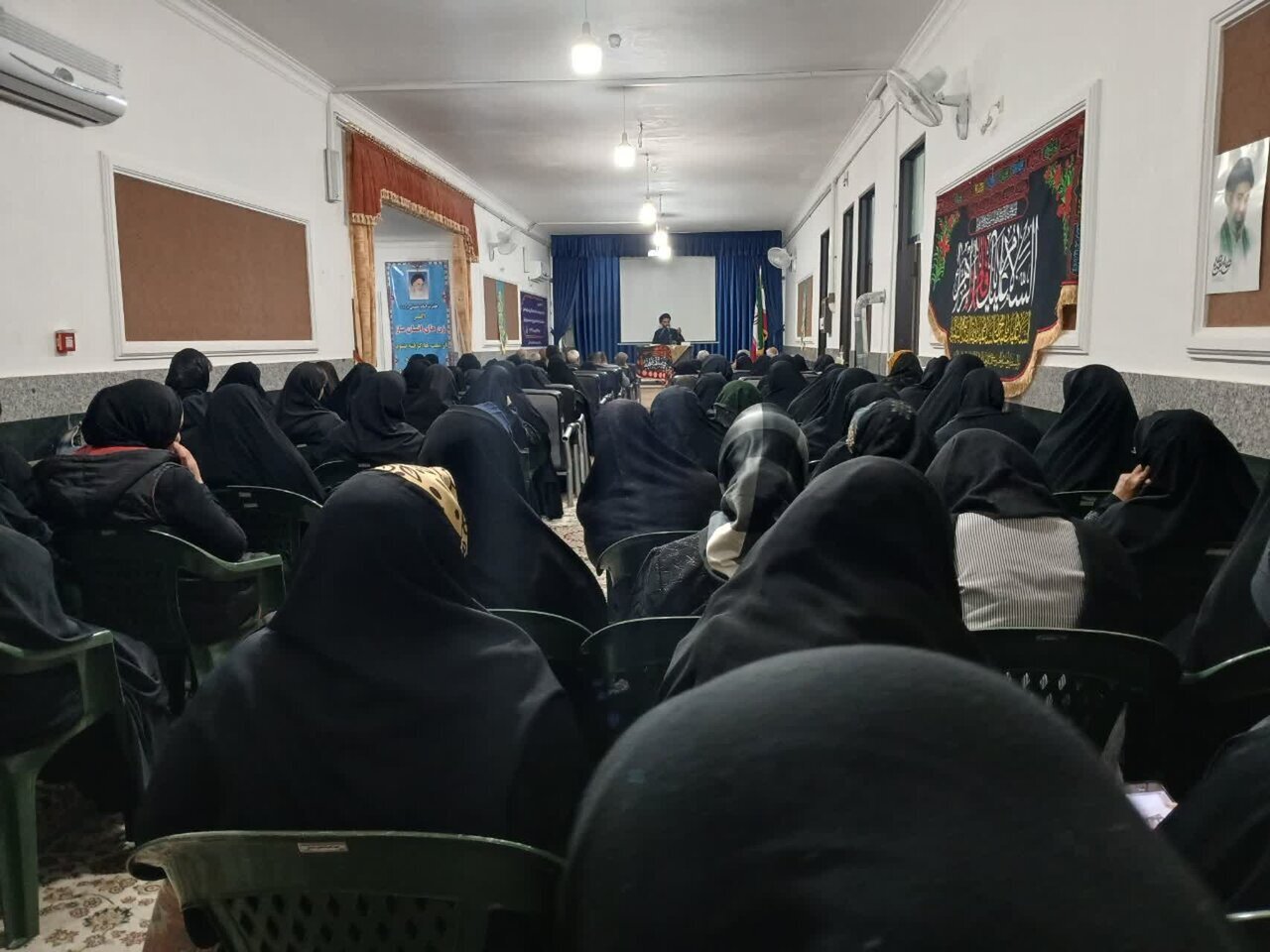
Hawzah News Agency- Speaking at an educational conference titled “Explaining the Ontological Status and Educational Role of Lady Fatima (AS) in the System of Creation and the Family” at the Fatimiyya Seminary in Damghan, Semnan Province, Hojatoleslam Mir Ali-Akbari discussed the reasons behind her naming.
He said numerous narrations from the Infallible Imams (AS) emphasize the semantic roots of the name. Imam Sadiq (AS), referring to the root “fatm”—meaning to hold back or preserve—explained that she was named Fatima because humans have been unable to comprehend her pure reality, or in other words, her followers and lovers are protected from the fire of hell.
Mir Ali-Akbari continued that this naming, based on divine wisdom, establishes an emotional and cognitive bond between the believer and the Ahlul Bayt (AS), because giving a child a good name is not only a right of parents but also a tool for creating deep affection and emotional connection between generations.
The scholar said Lady Fatima’s (AS) spiritual status in the hierarchy of existence is such that narrations speak of the obligation of all creatures—from angels and prophets to other beings—to obey her. One narration states that even divine prophets and Prophet Adam (AS) will be present at the station of visiting her, indicating that Lady Fatima (AS) is a focal point and authority whom even the greatest prophets need to visit for grace and blessing.
This elevated status, he said, placed her at a level where even in the matter of marriage, parity with her was impossible for all prophets due to the greatness of her existence.
Mir Ali-Akbari emphasized Lady Fatima’s (AS) ontological status, saying her conduct in upbringing is an unmatched model for Muslim families. In her view, he said, upbringing is not a leisure activity or a favor but a “right” and duty that parents owe their children. One key teaching in this regard is attention to the personality and behavior of parents as the first tool of upbringing, because children pay more attention to what we are than to what we say—and what they become is a reflection of what we are.
He noted a clear example of her ethics and educational conduct in her nights of worship, as Imam Hasan (AS) narrates that on Friday nights she would spend all her time in the prayer niche, praying for all believing men and women while asking nothing for herself—a model showing the height of selflessness and focus on others.
Mir Ali-Akbari stated that upbringing in the Islamic view, following her conduct, is a long-term process requiring patience. Unlike animals, which leave their offspring after a short time, in the human system upbringing is a continuous project in which the child’s mutual need for parents and the necessity of continued emotional and moral connection require parents’ patience and companionship throughout life.

Majid Poustchian

